
Electric Bikes in India: Cost, Benefits & Why 2026 is the Best Time to Switch
India is undergoing a major transformation in the way people commute. Rising fuel prices, worsening congestion and growing environmental concern have pushed electric two-wheelers from a niche curiosity to a mainstream choice — and 2026 is shaping up to be the best year yet to make the switch.
The cost equation has flipped
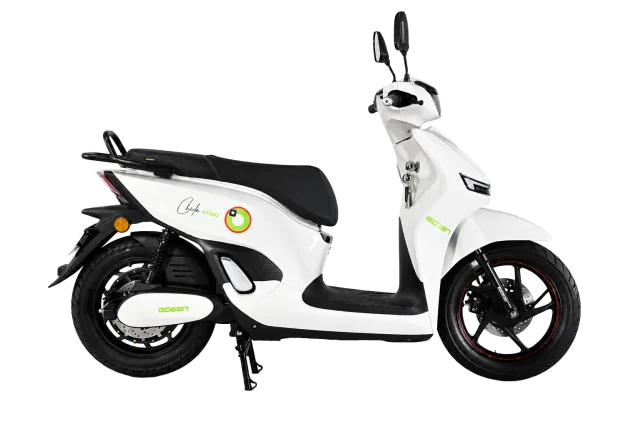
A petrol scooter costs roughly ₹2.3–2.5 per kilometre to fuel. A GOEEN electric scooter runs at about ₹0.15–0.25 per kilometre from a normal home socket. For a 30 km daily commute that difference compounds into savings of over ₹20,000 a year — before you count cheaper servicing, with no engine oil, clutch or carburettor to maintain.
Policy is on your side
Electric vehicles attract just 5% GST against 28% for petrol vehicles, and several states add their own benefits such as waived road tax and registration fees. Low-speed models (up to 25 km/h) still require no driving licence and no RTO registration at all.
Why 2026 specifically
Battery prices have fallen, charging habits have normalised, and the service ecosystem — including GOEEN's own 250+ dealer network — has matured. The early-adopter risk is gone; what remains is a smarter, cleaner, dramatically cheaper ride.
Key takeaways
- Electricity costs a fraction of petrol — roughly ₹0.15–0.25 per km.
- GST on EVs is just 5%, against 28% on petrol vehicles.
- Charging infrastructure and service networks matured sharply through 2025.
- Low-speed models still need no licence or registration.